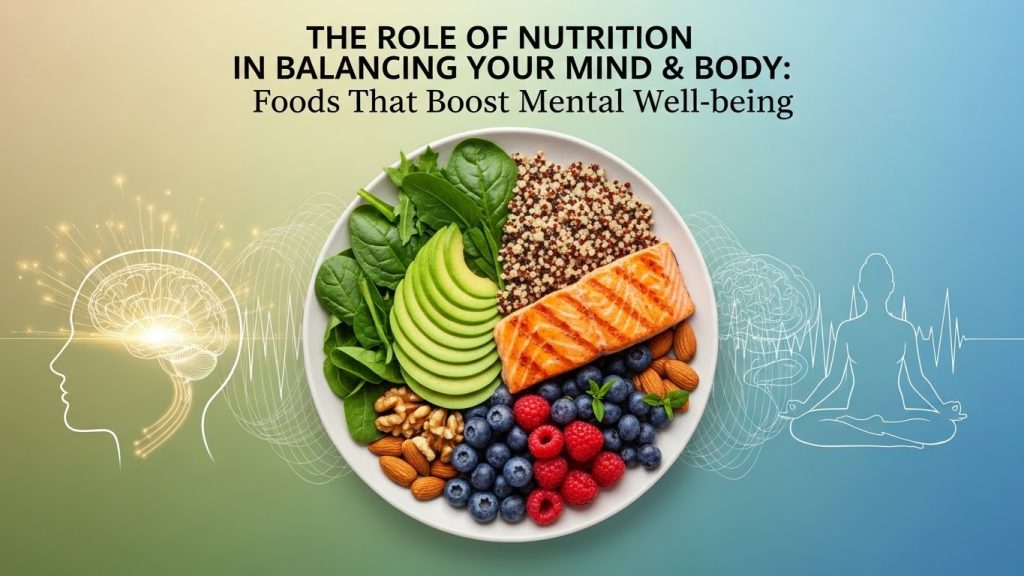
The Role of Nutrition in Balancing Your Mind & Body: Foods That Boost Mental Well-being
In today’s fast-paced world, maintaining a healthy mind and body is more crucial than ever. While exercise and sleep are often emphasized in wellness routines, nutrition plays an equally vital role in ensuring our overall well-being. The foods we consume not only fuel our bodies but also significantly impact our mental health. This post delves into the intricate relationship between nutrition and mental well-being, highlighting foods that can help enhance your mood and cognitive function.
The Connection Between Nutrition and Mental Health
Understanding the link between nutrition and mental health begins with recognizing that the brain requires a constant supply of nutrients to function optimally. Just as a car runs best with the right fuel, our brains need the right mix of nutrients to support mood regulation and cognitive processes. Research indicates that diets rich in processed foods, sugars, and unhealthy fats are associated with increased risks of depression and anxiety. Conversely, a balanced intake of whole foods, lean proteins, healthy fats, and complex carbohydrates can promote mental clarity and emotional stability.
Key Nutrients for Mental Well-being

Several nutrients are particularly beneficial for brain health:
- Omega-3 Fatty Acids: Found abundantly in fatty fish like salmon, mackerel, and sardines, omega-3 fatty acids are crucial for maintaining brain structure and function. These essential fats are linked to lower levels of depression and improved mood. Harvard Health suggests incorporating fish into your diet at least twice a week for optimal benefits.
- B Vitamins: B vitamins, particularly B6, B12, and folate, are vital for neurotransmitter production. A deficiency in these vitamins can lead to mood disturbances. Leafy greens, beans, and whole grains are excellent sources of B vitamins.
- Vitamin D: Known as the “sunshine vitamin,” vitamin D is essential for mood regulation. Low levels of vitamin D are associated with an increased risk of depression. Fortified foods and sunlight exposure are primary sources of this nutrient.
- Antioxidants: Foods rich in antioxidants, like berries, nuts, and dark chocolate, combat oxidative stress, which can negatively impact brain function. Antioxidants help protect brain cells from damage and support overall cognitive health.
Foods That Enhance Mood and Cognitive Function
Incorporating specific foods into your diet can have a profound impact on your mental health:
1. Fatty Fish
As mentioned, fatty fish are rich in omega-3 fatty acids, which are linked to improved mood and cognitive function. Consuming fish such as salmon, trout, and sardines can help reduce inflammation and support brain health. For those who prefer a plant-based diet, flaxseeds, chia seeds, and walnuts are excellent sources of omega-3s.
2. Whole Grains
Whole grains like oats, quinoa, and brown rice are rich in fiber and provide a steady source of energy. They help maintain stable blood sugar levels, preventing mood swings and irritability. Additionally, whole grains are a good source of tryptophan, an amino acid that the body converts into serotonin, a neurotransmitter that regulates mood.
3. Leafy Greens
Vegetables such as spinach, kale, and Swiss chard are packed with nutrients that support mental health. They contain high levels of folate, which is essential for producing serotonin and dopamine, neurotransmitters that influence mood and happiness. A diet rich in leafy greens can reduce the risk of depression and cognitive decline.
4. Fermented Foods
Fermented foods like yogurt, kefir, sauerkraut, and kimchi are rich in probiotics, which promote a healthy gut microbiome. Emerging research suggests that gut health is closely linked to mental health, often referred to as the “gut-brain axis.” Consuming probiotics can enhance mood and reduce symptoms of anxiety and depression.
5. Nuts and Seeds
Almonds, walnuts, pumpkin seeds, and sunflower seeds are excellent sources of healthy fats, magnesium, and zinc. These nutrients play a crucial role in neurotransmitter function and can help improve mood and cognitive performance. Nuts and seeds also provide protein and fiber, promoting a balanced and sustained energy level throughout the day.
The Importance of Hydration
While focusing on nutrition, it’s essential not to overlook the importance of hydration. Dehydration can lead to fatigue, difficulty concentrating, and mood disturbances. Adequate water intake supports brain function and helps maintain energy levels. Herbal teas and water-rich fruits like watermelon and cucumbers are excellent ways to stay hydrated.
Mindful Eating Practices
Incorporating mindful eating practices can further enhance the benefits of a nutritious diet. Mindful eating involves paying attention to the flavors, textures, and aromas of food, leading to more satisfying and intentional meals. This practice encourages a deeper connection with food, reducing overeating and promoting a positive relationship with food and body image.
Conclusion: Nourishing Your Mind and Body
In conclusion, nutrition plays a pivotal role in balancing your mind and body. By focusing on a diet rich in whole foods, healthy fats, lean proteins, and essential vitamins and minerals, you can support your mental well-being and enhance your cognitive function. The foods you choose not only impact your physical health but also shape your emotional and psychological states. To further explore how nutrition affects mental health, visit the Mental Health Foundation for comprehensive insights.
As you embark on the journey towards a healthier lifestyle, remember that small, consistent changes can lead to significant improvements in your mental well-being. Embrace the power of nutrition to fuel your mind and body, creating a harmonious balance that supports your overall quality of life.
Integrative Approaches to Nutrition and Mental Health
While nutrition is a cornerstone of mental well-being, it’s essential to consider an integrative approach that includes other lifestyle factors. Combining a nutritious diet with regular physical activity, stress management techniques, and adequate sleep can create a holistic framework for mental health.
Exercise
Physical activity has been shown to release endorphins, the body’s natural mood lifters. Regular exercise can alleviate symptoms of depression and anxiety, improve cognitive function, and promote better sleep. Activities such as yoga, walking, or dancing can be particularly effective when combined with a balanced diet.
Stress Management
Chronic stress can negatively impact both physical and mental health. Incorporating stress reduction techniques such as meditation, deep breathing exercises, or mindfulness practices can enhance the positive effects of a healthy diet. These practices help regulate the body’s stress response and improve emotional resilience.
Sleep
Quality sleep is paramount for mental health, as it allows the brain to process and integrate new information, regulate emotions, and restore energy levels. Poor sleep can exacerbate mental health issues, while a consistent sleep routine can reinforce the benefits of a nutritious diet and other lifestyle practices.
Personalizing Your Nutritional Plan
Every individual is unique, and nutritional needs can vary based on age, gender, lifestyle, and health conditions. Consulting with a registered dietitian or nutritionist can provide personalized recommendations tailored to your specific needs and goals. These professionals can help you identify nutrient deficiencies, create balanced meal plans, and offer guidance on supplements if necessary.
Additionally, exploring resources like the USDA’s MyPlate can help you understand portion sizes and food group recommendations, ensuring a well-rounded diet that supports both mental and physical health.
Overcoming Challenges and Building Healthy Habits
Adopting a nutrition-focused approach to mental health may present challenges, such as time constraints, budget limitations, or food accessibility. However, there are strategies to overcome these barriers:
- Meal Planning: Planning meals ahead of time can save time and reduce the stress of daily food preparation. Batch cooking and freezing meals can also be a convenient way to ensure nutritious options are always available.
- Budget-Friendly Choices: Opting for seasonal produce, buying in bulk, and choosing store brands can help stretch your food budget while still prioritizing nutritious choices. Canned or frozen fruits and vegetables are also cost-effective alternatives that retain their nutritional value.
- Community Resources: Many communities offer resources such as food banks, community gardens, and nutrition workshops. Participating in these programs can provide access to healthy foods and cooking education.
Incorporating Cultural and Personal Preferences
Food is not only a source of nutrition but also a means of cultural expression and personal enjoyment. It’s important to incorporate cultural and personal food preferences into your diet to make sustainable changes. Exploring a variety of cuisines and experimenting with new recipes can keep meals exciting and enjoyable while maintaining nutritional balance.
For more information on how cultural influences affect dietary choices, consider exploring resources from organizations like the Academy of Nutrition and Dietetics, which offer guidance on integrating cultural foods into a healthy diet.
Conclusion: Empowering Yourself Through Nutrition
Nourishing your mind and body through thoughtful nutrition is a powerful way to enhance your mental well-being. By understanding the intricate relationship between the foods you consume and your mental health, you can make informed choices that support your emotional and cognitive functions. Remember that achieving a balanced lifestyle is a journey, and small, consistent changes can lead to lasting improvements.
Empower yourself with knowledge and embrace a holistic approach that includes a nutritious diet, physical activity, stress management, and quality sleep. By doing so, you create a foundation for a healthier, happier life, where both your mind and body can thrive.
About the Author