The Health Benefits of Regular Exercise: From Cardio to Strength Training
In today’s fast-paced world, maintaining good health is more important than ever. Regular exercise is a cornerstone of a healthy lifestyle, bringing a plethora of benefits that extend beyond physical fitness. Whether it’s through cardiovascular exercises or strength training, the advantages of staying active are vast and varied. In this article, we delve into the multifaceted benefits of regular exercise, exploring how different types of workouts contribute to overall well-being.
The Importance of Cardiovascular Exercise
Cardiovascular exercise, often referred to as cardio, is any activity that increases your heart rate. It plays a critical role in promoting heart health, enhancing lung capacity, and improving circulation. Activities such as running, cycling, and swimming are excellent forms of cardio that help in burning calories and reducing body fat. According to the American Heart Association, adults should aim for at least 150 minutes of moderate-intensity cardio each week to maintain optimal heart health.
Cardio exercises not only improve cardiovascular functions but also have a significant impact on mental health. Engaging in regular aerobic activities can help reduce symptoms of anxiety and depression, thanks to the release of endorphins, often referred to as the body’s natural mood lifters. Additionally, cardio can enhance sleep quality, providing a more restful night’s sleep.
Strength Training: Building a Strong Foundation

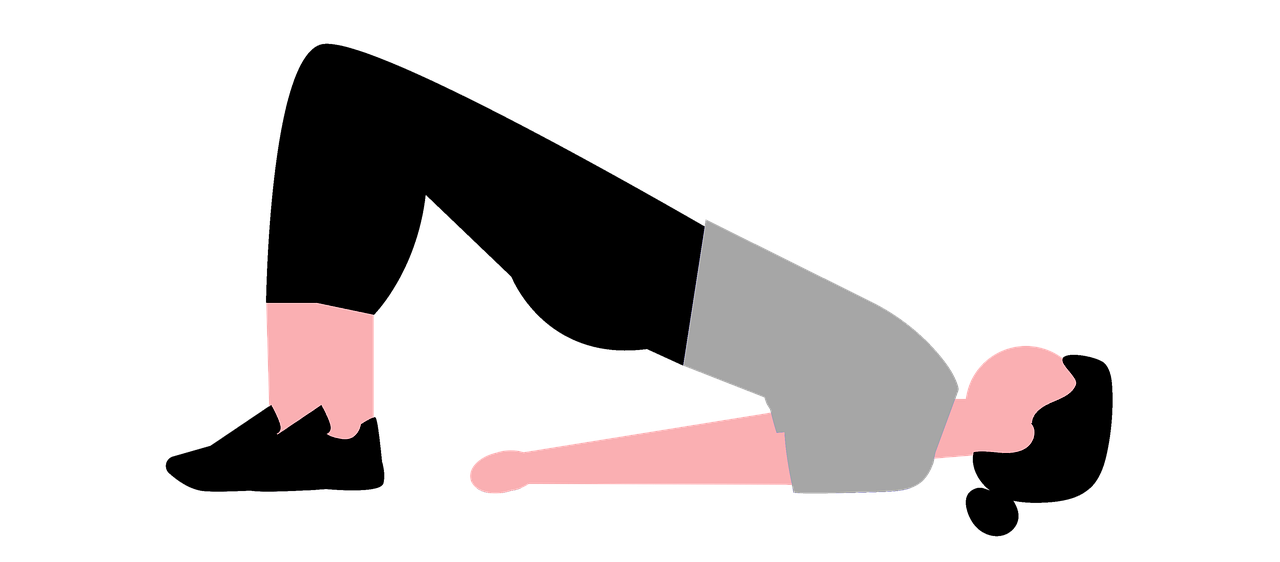
Strength training, also known as resistance training, involves exercises that improve muscle strength and endurance. This type of exercise includes weight lifting, resistance band workouts, and body-weight exercises like push-ups and squats. Strength training is essential for building and maintaining muscle mass, which naturally declines with age. According to the National Health Service, incorporating strength training into your routine at least twice a week is crucial for overall health.
Beyond muscle development, strength training offers numerous health benefits. It enhances bone density, reducing the risk of osteoporosis, particularly in older adults. Furthermore, it improves metabolic rate, helping to maintain a healthy weight. Studies have shown that regular resistance training can also help manage chronic conditions such as arthritis and type 2 diabetes by improving insulin sensitivity and glucose metabolism.
Flexibility and Balance: The Unsung Heroes
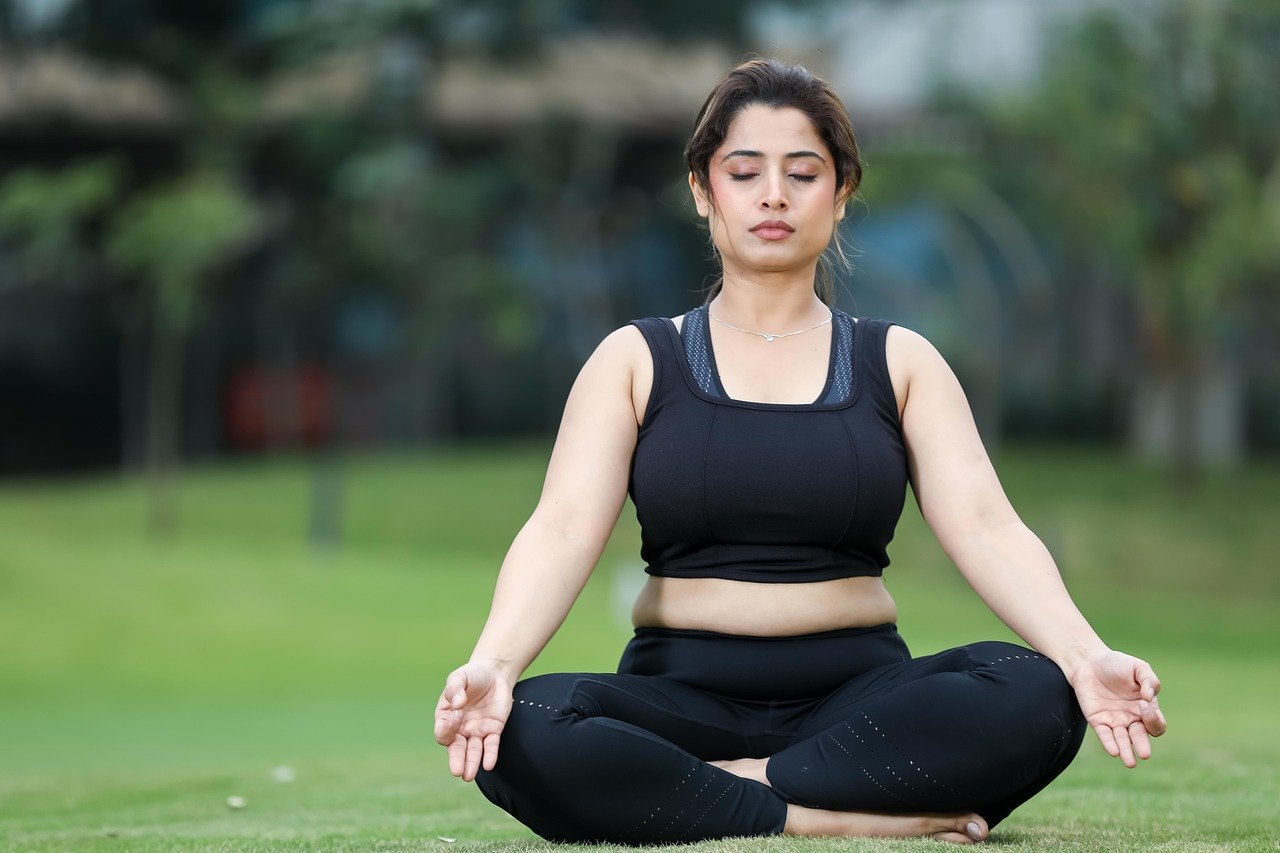
While cardio and strength training are often highlighted, flexibility and balance exercises are equally important. Practices such as yoga and tai chi focus on stretching and stability, promoting better posture and reducing the risk of falls, especially in older adults. These exercises contribute to muscle elasticity and joint mobility, essential for performing everyday activities with ease.
Flexibility exercises help prevent injuries by ensuring that muscles are well-stretched and ready for any physical activity. Balance exercises, on the other hand, strengthen the core and stabilizing muscles, enhancing coordination and proprioception. As recommended by the Centers for Disease Control and Prevention, incorporating activities that improve flexibility and balance into your routine can significantly boost your overall fitness and reduce the risk of injury.
The Mental Benefits of Regular Exercise
The benefits of exercise extend far beyond physical health. Regular physical activity is a powerful tool for enhancing mental well-being. Exercise releases endorphins, which act as natural stress relievers, helping to combat stress and anxiety. It also increases the production of serotonin and dopamine, neurotransmitters that play a key role in mood regulation.
Exercise has been linked to improved cognitive function, with studies showing that it can enhance memory, increase concentration, and even decrease the risk of cognitive decline as we age. Engaging in regular physical activity can also boost self-esteem and confidence, providing a sense of accomplishment and empowerment.
Creating a Balanced Exercise Routine
To reap the full spectrum of health benefits, it’s crucial to create a well-rounded exercise routine that incorporates various forms of physical activity. A balanced workout plan should include cardio, strength training, flexibility, and balance exercises. This holistic approach ensures that all aspects of fitness are addressed, promoting overall health and well-being.
For beginners, it’s essential to start slowly and gradually increase the intensity and duration of workouts. Consulting with a fitness professional or personal trainer can be beneficial to ensure exercises are performed correctly and safely. Additionally, listening to your body and allowing adequate rest and recovery time is vital to prevent overtraining and injuries.
Overcoming Common Barriers to Exercise
Despite the numerous benefits of regular exercise, many people face barriers that prevent them from staying active. Common obstacles include lack of time, motivation, or access to facilities. However, there are practical ways to overcome these challenges. For instance, incorporating short, high-intensity workouts like HIIT (High-Intensity Interval Training) into your routine can be effective for those with limited time.
Finding an exercise partner or joining group classes can boost motivation and accountability. Utilizing free online resources, such as workout videos or fitness apps, can provide guidance and variety for home-based workouts. The key is to find activities that you enjoy and that fit into your lifestyle, making it easier to maintain consistency.

Conclusion: Embrace the Benefits of Exercise
Regular exercise is a powerful tool for promoting physical, mental, and emotional health. From improving cardiovascular health and building muscle strength to enhancing mental well-being and cognitive function, the benefits of staying active are undeniable. By creating a balanced exercise routine that incorporates various forms of physical activity, you can pave the way for a healthier, happier life.
Embrace the journey of fitness, and remember that it’s never too late to start. Whether you’re a seasoned athlete or a beginner, the path to better health begins with a single step. For more personalized advice and recommendations, consider consulting resources from reputable organizations such as the World Health Organization.
Tailoring Exercise to Individual Needs
One of the most important aspects of a successful exercise regimen is personalization. Each individual has unique health conditions, goals, and preferences that must be considered when designing a workout plan. For instance, someone with joint issues may benefit more from low-impact exercises like swimming or cycling, while another individual looking to build muscle mass may focus on strength training.
Understanding your specific needs and limitations is crucial. It’s advisable to consult with healthcare providers or fitness experts who can help tailor an exercise program to suit your personal health profile. They can provide guidance on the appropriate types and intensity of exercise, ensuring that your routine supports your health goals while preventing injury.
The Role of Nutrition in Supporting Exercise
Exercise and nutrition go hand-in-hand when it comes to optimizing health and fitness. Proper nutrition provides the fuel and nutrients necessary to sustain energy levels during workouts and facilitates muscle recovery and growth. A balanced diet rich in whole foods, lean proteins, healthy fats, and complex carbohydrates is essential for supporting an active lifestyle.
Hydration is another critical component that should not be overlooked. Adequate water intake before, during, and after exercise helps maintain fluid balance, regulate body temperature, and prevent dehydration. For those engaging in intense or prolonged physical activities, replenishing electrolytes through sports drinks or natural sources like coconut water can be beneficial.
Post-workout nutrition is equally important. Consuming a combination of protein and carbohydrates after exercise helps repair muscle tissues and replenish glycogen stores. Simple options such as a protein shake, yogurt with fruit, or a balanced meal can facilitate recovery and enhance performance in subsequent workouts.
Monitoring Progress and Setting Goals
Tracking progress and setting achievable goals are vital components of any fitness journey. Monitoring your progress not only keeps you motivated but also helps identify areas that may require adjustment. Whether it’s through a fitness app, journal, or wearable fitness tracker, keeping tabs on your workouts, nutrition, and overall well-being can provide valuable insights.
Setting SMART goals—Specific, Measurable, Achievable, Relevant, and Time-bound—can guide your exercise program and keep you focused. For example, a goal to “run a 5K in under 30 minutes within three months” is specific and time-bound, providing a clear target to work towards. As you achieve these goals, it’s important to celebrate your successes and set new challenges to continue progressing.
The Social Benefits of Exercise
Exercise is not only beneficial for physical and mental health but also serves as a social activity that can enhance your sense of community and connectedness. Participating in group fitness classes, sports teams, or running clubs provides opportunities to meet new people, make friends, and build a supportive network.

Social exercise settings can be particularly motivating and enjoyable, reducing the likelihood of workout monotony and increasing consistency. Engaging in group activities also allows for the sharing of experiences, encouragement, and advice, which can be motivating and reassuring, especially for those new to fitness.
Adapting Exercise Throughout Life
As we age, our exercise needs and capabilities may change, but staying active remains crucial for maintaining health and quality of life. For children and adolescents, physical activity supports healthy growth and development, while for adults, it contributes to the prevention of chronic diseases and promotes longevity.
Older adults can benefit immensely from regular exercise, which helps maintain mobility, balance, and cognitive function. Tailoring exercise routines to accommodate age-related changes, such as incorporating more balance and flexibility exercises, can enhance safety and effectiveness. The National Institute on Aging offers resources and guidelines to support active aging.
Conclusion: A Commitment to Lifelong Health
In conclusion, regular exercise is a powerful contributor to a holistic approach to health and well-being. By incorporating cardio, strength training, flexibility, and balance exercises into your routine, you can enjoy a host of physical, mental, and social benefits. Personalizing your exercise program, supporting it with proper nutrition, and adapting it as you age are key components of a sustainable fitness journey.
Remember, the path to health is a lifelong commitment. By prioritizing regular exercise, you invest in yourself, ensuring a vibrant, energetic, and fulfilling life. Whether you’re just starting out or looking to enhance your current routine, the first step is simply to begin. Embrace the transformative power of exercise and discover the myriad ways it can enrich your life.
About the Author